Ocean Fish Farms support the economy by producing sustainable seafood, reducing reliance on imports, creating jobs in aquaculture and logistics, stimulating regional development, and enhancing food security. They also promote innovation in marine technology and can contribute to environmental management through responsible farming practices and ecosystem restoration efforts + with goals to solve poverty or making a start on poverty.
Ocean Fish Farms
Active
Overview
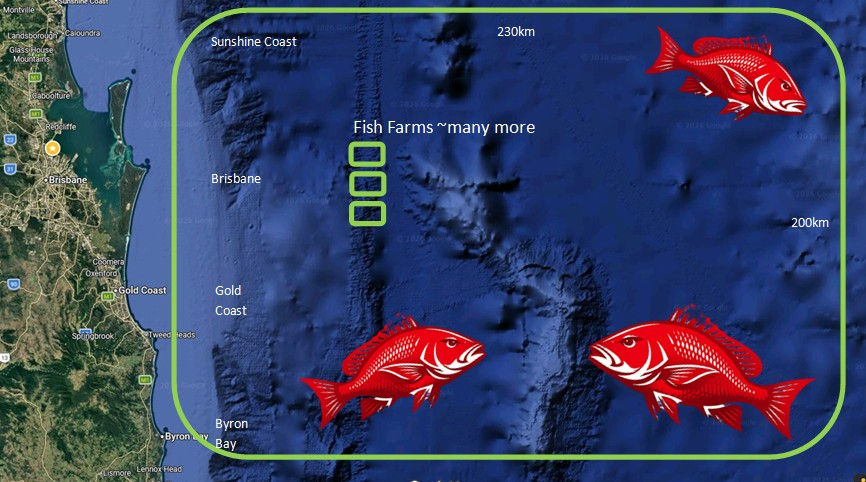
Ocean fish farms provide a straightforward way to grow seafood in controlled ocean environments, and most site pages about them focus on the basics without going into heavy detail. An overview usually explains that these farms raise species like Red Emperor in offshore enclosures, aiming to supply steady seafood production. Forecast sections tend to outline expected growth in demand, general production increases, and simple projections about future output. Data pages often present basic figures on stock levels, feeding schedules, and harvest volumes. Charts and graphs usually show trends over time, such as gradual improvements in yield or changes in operating costs. Budget estimates give a rough idea of setup expenses, maintenance needs, and ongoing operational spending. The rationale behind these farms is typically framed around providing reliable food sources, supporting local economies, and reducing pressure on wild fish stocks in a practical, manageable way.
Forecast
1.2million tonnes of red emperor per year to feed Australia 2 serves per week - guess what—that’s now the goal
The initial implementation of Ocean Fish Farms focuses on establishing stable offshore production zones capable of meeting rising domestic demand while proving the model’s reliability. As operations mature, scalability becomes the defining strength, allowing expansion into deeper waters and broader regions as global interest grows. Major nations seeking sustainable seafood sources will drive early international demand, while steady export streams will be directed toward third world nations to support food security. A top down approach guides this growth: strategic partnerships, government alignment, and controlled stock releases designed to stimulate market confidence and accelerate adoption. Over time, this framework aims to saturate major poverty hubs with consistent, affordable protein, forming the foundation of a 300 year vision for global nourishment. To get the ball rolling, the plan begins with pilot farms, transparent reporting, and targeted outreach to key economic and humanitarian stakeholders who can champion long term expansion.
Data
1.2 million tonnes of red emperor per year to feed Australia 2 serves per week - that’s now the goal
Around 30–35% of Australians consume seafood at least once per week
Fish consumption is higher among older adults, coastal populations, and higher income households.
Consumption is lower among younger demographics and inland regions.
On the global scene 44% of fish is fresh and 56% is processed
Australia has not got a Ocean Fish Farm of this nature to date—leaving room for innovation